The History of Environmental Justice Movements in Marginalized Communities
What Is Environmental Justice? Defining the Movement's Core Premise
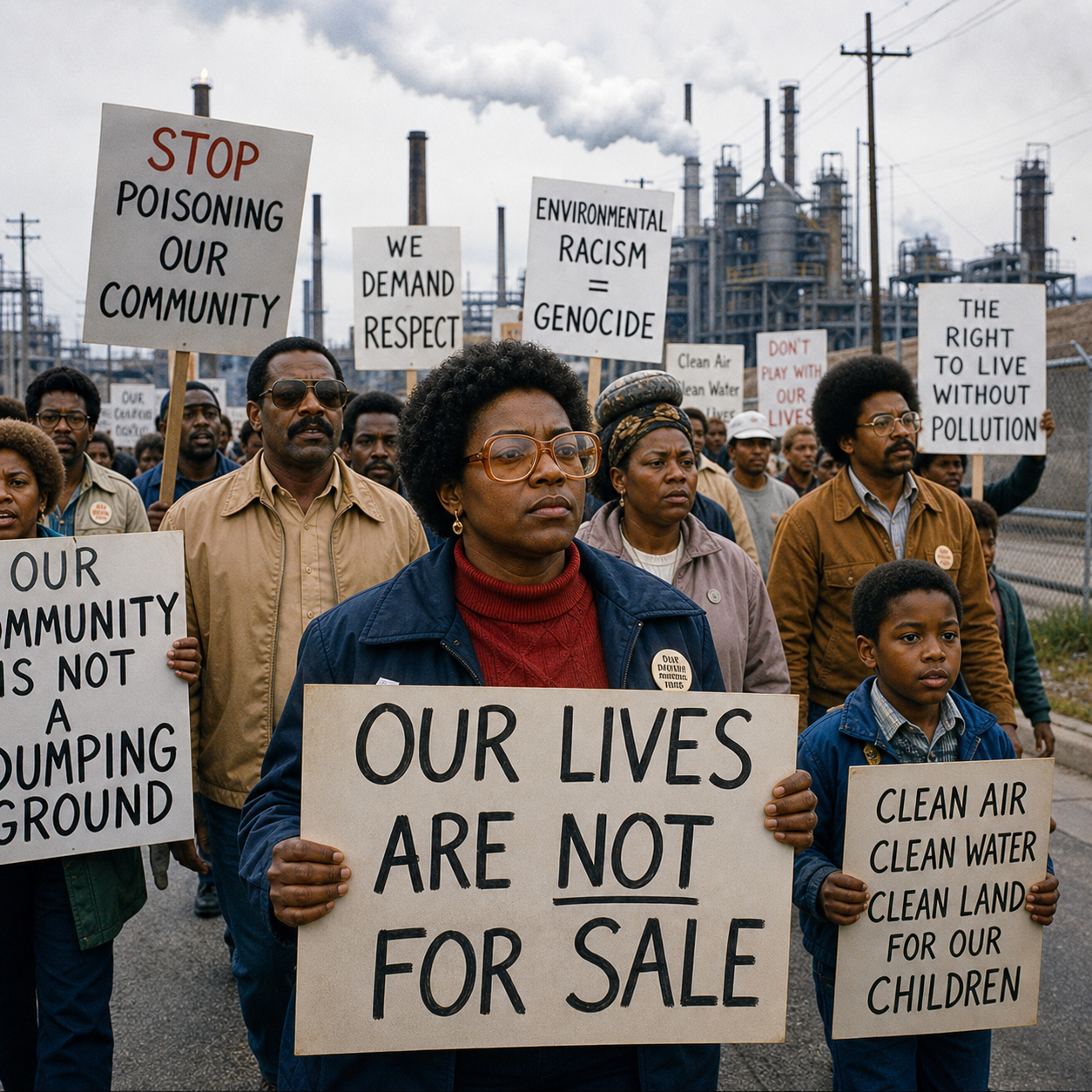
Environmental justice is the principle that all people, regardless of race, income, or national origin, deserve equal protection from environmental hazards and equal access to a healthy environment. It emerged not from conservation lobbying or wilderness preservation campaigns, but from communities that had spent decades living beside refineries, landfills, and chemical plants while regulators looked the other way.
The uneven distribution of environmental harm is not accidental. It reflects decisions made over generations about where to site industrial facilities, which neighborhoods to protect through zoning, and whose health complaints to investigate. Researchers have documented a consistent pattern: low-income communities and communities of color bear a disproportionate share of pollution exposure, a dynamic the movement calls environmental racism or toxic colonialism when the mechanisms are deliberately structural.
This is what separates environmental justice from mainstream environmentalism. Traditional conservation movements focused on protecting natural landscapes, often without engaging questions of race and class. Environmental justice insists those questions are inseparable from any serious discussion of who gets poisoned and who gets protected.
Early Roots — From Civil Rights to Environmental Consciousness
The seeds of environmental justice were planted long before the term existed. Throughout the 1960s and 1970s, civil rights organizations began connecting the dots between racial segregation, economic exclusion, and pollution exposure in Black neighborhoods across the South and industrial Midwest.
Communities near petrochemical corridors in Louisiana, steel mills in Gary, Indiana, and smelters in West Texas were raising alarms about air quality and contaminated water decades before federal agencies took notice. These were not abstract policy concerns. They were questions about children with asthma, elevated cancer rates, and drinking water that tasted of chemicals.
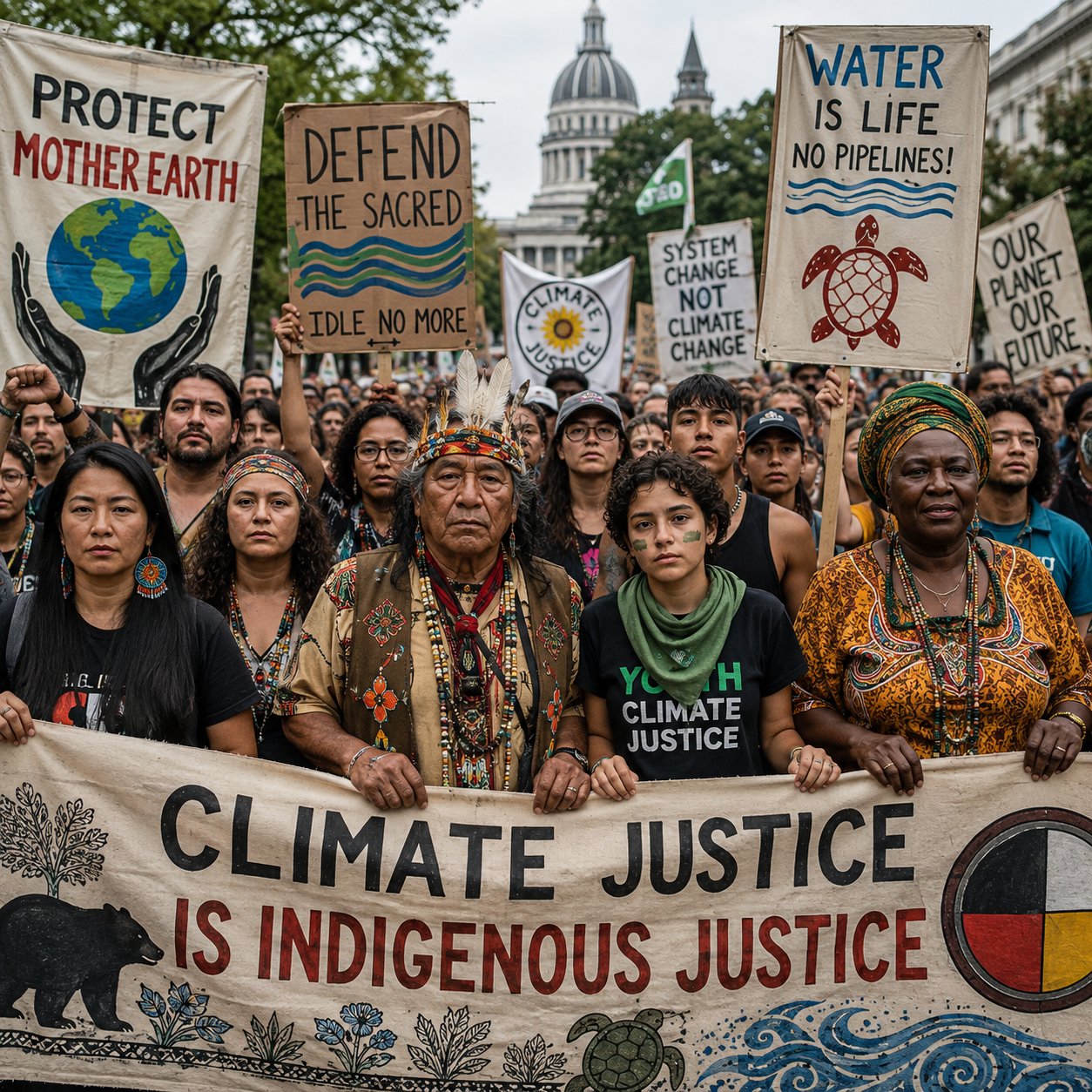
Indigenous communities had their own parallel history of environmental dispossession. Mining operations, uranium extraction, and dam construction on tribal lands had been degrading Indigenous environments since the nineteenth century, often in direct violation of treaty rights. The concept of Indigenous land rights as an environmental issue was already present in Native organizing long before it entered mainstream policy conversations.
What the pre-1980s period lacked was a unified national framework that could connect these local struggles into a coherent movement. That began to change in Warren County.
The 1980s: Warren County and the Birth of a National Movement
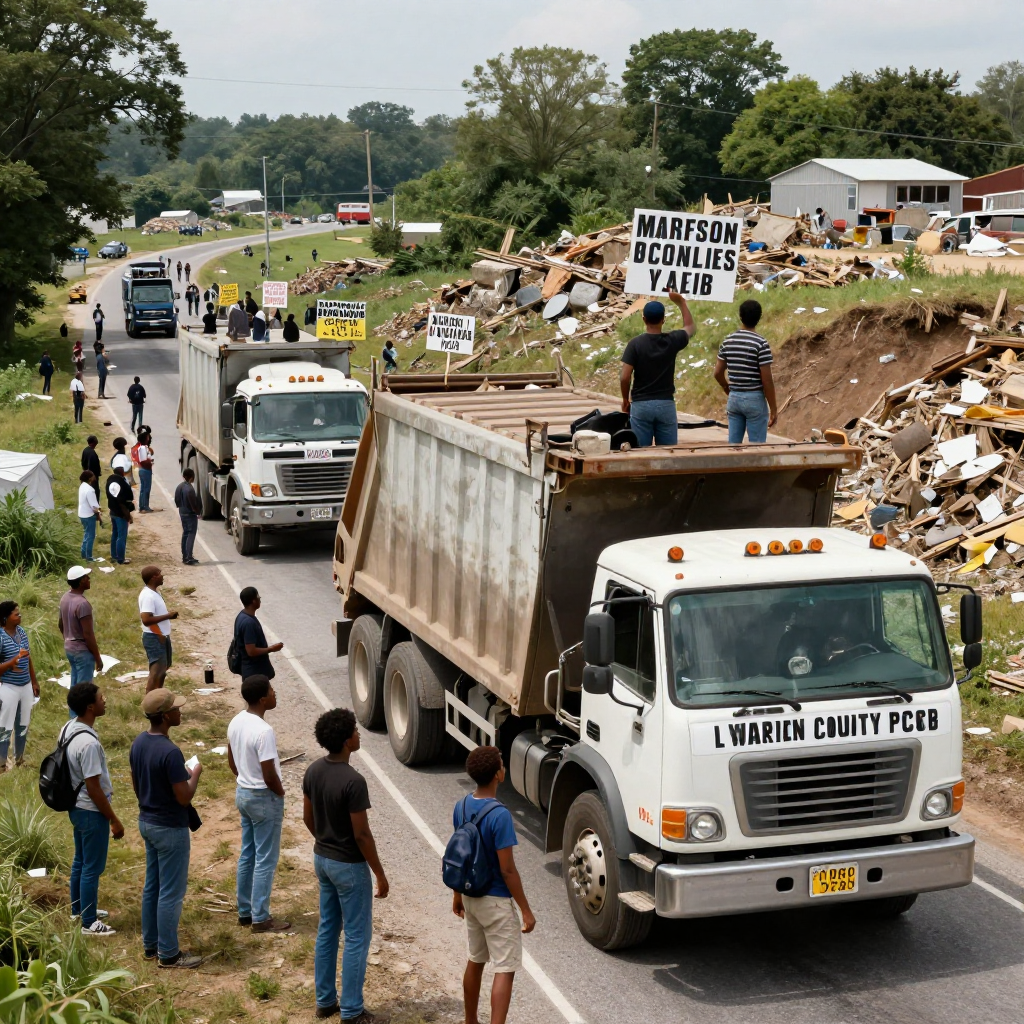
The 1982 protests in Warren County, North Carolina are widely regarded as the founding moment of organized environmental justice activism in the United States. When the state selected a predominantly Black, low-income county to host a PCB-contaminated landfill, residents and civil rights leaders pushed back with sustained street protests that drew national attention and resulted in over 500 arrests.
The protesters did not stop the landfill. But they forced a reckoning. The episode prompted a 1983 Government Accountability Office study that found hazardous waste sites in the Southeast were disproportionately located near Black communities. A more comprehensive 1987 report by the United Church of Christ Commission for Racial Justice, titled Toxic Wastes and Race in the United States, provided national data confirming what affected communities had been saying for years: race was the strongest predictor of proximity to hazardous waste facilities, stronger even than income.
The academic field of environmental justice research grew directly from this period. Scholars began developing the concept of cumulative impact — the idea that communities already burdened by poverty, inadequate healthcare, and poor housing face compounded harm when industrial pollution is added to the mix. A single facility might pass regulatory review on its own merits, but in a community already saturated with environmental stressors, it tips the balance in ways standard risk assessments never captured.
The 1990s: Institutionalization, Policy Wins, and Growing Tensions
The 1990s brought both significant victories and complicated questions about what success actually meant. In 1991, the First National People of Color Environmental Leadership Summit convened in Washington, D.C., producing the Principles of Environmental Justice — a 17-point framework that remains foundational to the movement. The document was notable for centering the voices of affected communities rather than professional advocates, and for connecting environmental harm to broader struggles for self-determination and sovereignty.
Three years later, President Clinton signed Executive Order 12898, directing federal agencies to identify and address disproportionate environmental burdens on minority and low-income populations. The EPA established its Office of Environmental Justice to implement the mandate. These were genuine policy milestones, representing the first formal federal acknowledgment that environmental protection had been applied unequally.
But grassroots organizers were quick to note the limits. Federal recognition did not translate automatically into enforcement. Communities continued fighting permit approvals for new facilities in their neighborhoods. The institutionalization of environmental justice within federal bureaucracy created a tension that persists: when a social justice movement gets absorbed into regulatory language, does it gain power or lose its edge?
Many community organizations chose to maintain independent pressure rather than rely on federal processes, a strategic instinct that would prove prescient when subsequent administrations weakened or ignored EJ mandates.
Sacrifice Zones and the Geography of Pollution
Sacrifice zones are communities where industrial pollution has become so concentrated and chronic that the area is effectively treated as expendable by regulators and corporations alike. The term captures something that statistics alone cannot: the deliberate, systemic nature of pollution geography in the United States.
The pattern has consistent roots. Redlining in the mid-twentieth century confined Black families to specific urban neighborhoods, which then became targets for highway construction, industrial rezoning, and waste facility siting. Property values in these areas dropped, which made them cheaper for industry and less politically defensible for regulators. The cycle reinforced itself across generations.
Cancer Alley — the stretch of Louisiana between Baton Rouge and New Orleans lined with petrochemical plants — is perhaps the most documented sacrifice zone in the country. Residents, predominantly Black, face cancer rates and air pollution levels that have drawn international attention and United Nations scrutiny. Similar patterns exist in the San Joaquin Valley's agricultural communities, in fence-line neighborhoods around Houston's refinery complex, and in Appalachian coalfield communities where race intersects with class as the primary axis of vulnerability.
The concept of cumulative impact is essential here. Regulators historically evaluated each pollution source in isolation. Environmental justice advocates and researchers argued for a different accounting — one that measured the total burden on a community, not just the incremental contribution of any single facility. That shift in methodology, still contested in regulatory practice, is one of the movement's most consequential intellectual contributions.
Indigenous and Global Dimensions of Environmental Justice
Indigenous environmental struggles represent a distinct but deeply intertwined thread within the broader environmental justice movement. The core issues — land sovereignty, water rights, and protection from extractive industries — predate the 1980s framing of EJ and connect to a longer history of colonialism and dispossession.
The Standing Rock Sioux Tribe's resistance to the Dakota Access Pipeline in 2016 brought Indigenous land rights to global attention, but it drew on decades of organizing against uranium mining on Navajo land, pipeline construction through treaty territories, and the contamination of Indigenous water sources across North America. These struggles share the EJ movement's emphasis on community agency and structural critique, while also insisting on the specific legal and political status of tribal nations.
Globally, environmental justice frameworks have spread through networks of frontline communities facing similar dynamics: extractive industries operating in the Global South with regulatory standards far below what would be permitted in wealthier nations, a phenomenon critics call toxic colonialism. From the Niger Delta to the Philippines to Indigenous territories in the Amazon, the geography of pollution continues to follow the geography of power.
The Movement Today — From Local Resistance to Climate Justice
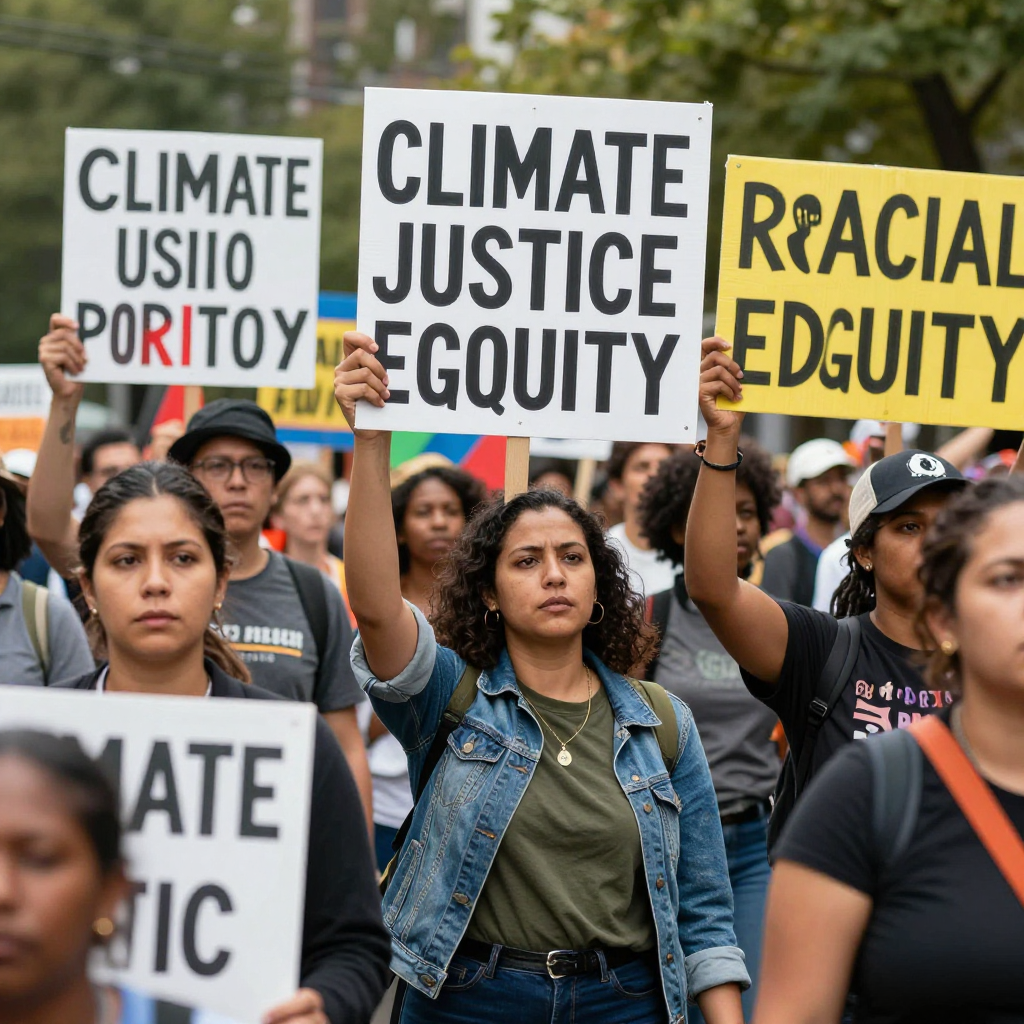
Contemporary environmental justice organizing has expanded its scope without abandoning its roots. Climate change has become central to the movement's agenda, not as an abstract future threat but as a present crisis that compounds existing vulnerabilities in communities already living with pollution, heat islands, and inadequate infrastructure.
The Biden administration's Justice40 initiative committed to directing 40% of federal climate and clean energy investments to disadvantaged communities. It represented the most ambitious federal EJ commitment to date, though advocates noted that implementation, enforcement, and community input remained uneven. The tension between policy ambition and on-the-ground reality that defined the 1990s has not disappeared.
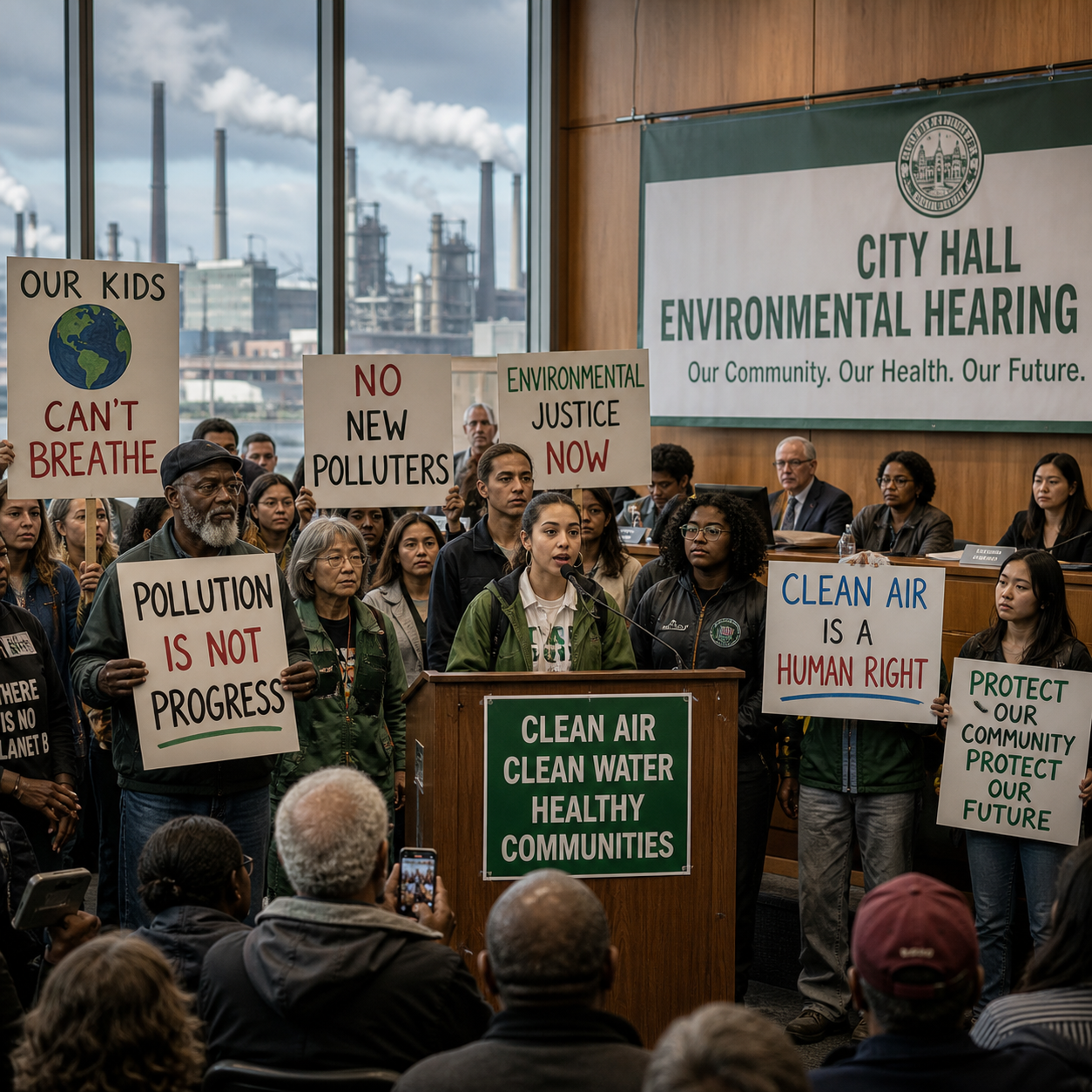
Grassroots organizations remain the movement's backbone. Groups like the Environmental Justice Network and dozens of community-based organizations continue fighting individual permit battles, building political power, and documenting cumulative impacts in their neighborhoods. The tools have changed — social media, environmental data platforms, legal clinics — but the fundamental dynamic has not: communities most harmed by pollution are organizing to demand accountability from the industries and governments that created the harm.
The history of environmental justice is not a linear story of progress. It is a record of communities refusing to accept that their health and safety matter less than industrial convenience, and of the slow, contested process of making that refusal legible to institutions built to ignore it.
Frequently Asked Questions
What is the difference between environmentalism and environmental justice?
Traditional environmentalism has historically focused on protecting natural ecosystems, wildlife, and wilderness areas. Environmental justice centers on the unequal distribution of environmental harm across race and class lines, treating pollution exposure in human communities as a civil rights issue, not just an ecological one. The two movements overlap but have different origins, constituencies, and priorities.
When did the term "environmental racism" first come into use?
Civil rights leader Reverend Benjamin Chavis popularized the term environmental racism in the late 1980s, particularly in connection with the United Church of Christ's 1987 Toxic Wastes and Race in the United States report. The concept described the deliberate siting of hazardous facilities in communities of color and the systematic exclusion of those communities from environmental decision-making.
What communities are most affected by environmental injustice today?
Research consistently identifies Black, Latino, Indigenous, and low-income communities as bearing disproportionate pollution burdens in the United States. Specific hotspots include Louisiana's petrochemical corridor, Houston's fence-line refinery neighborhoods, agricultural communities in California's Central Valley, and tribal lands affected by extractive industries. Globally, frontline communities in the Global South face similar dynamics at larger scales.
How does environmental justice relate to climate change?
Climate change amplifies existing environmental injustices. Communities already living with industrial pollution, inadequate infrastructure, and limited healthcare access face the worst consequences of extreme heat, flooding, and air quality deterioration. Environmental justice advocates argue that climate policy must address these compounding vulnerabilities directly, not treat climate as a separate issue from the pollution burdens already shaping community health.
What role did the federal government play in shaping environmental justice policy?
Federal engagement has been inconsistent. Executive Order 12898 in 1994 and the establishment of the EPA Office of Environmental Justice marked genuine institutional recognition of the movement's demands. But enforcement has varied sharply across administrations, and community advocates have repeatedly found that federal acknowledgment does not automatically translate into regulatory protection. The movement's most durable gains have often come through litigation, state-level policy, and sustained grassroots pressure rather than federal action alone.