Corporate Accountability and Pollution: Legal Duties and Ethical Responsibilities
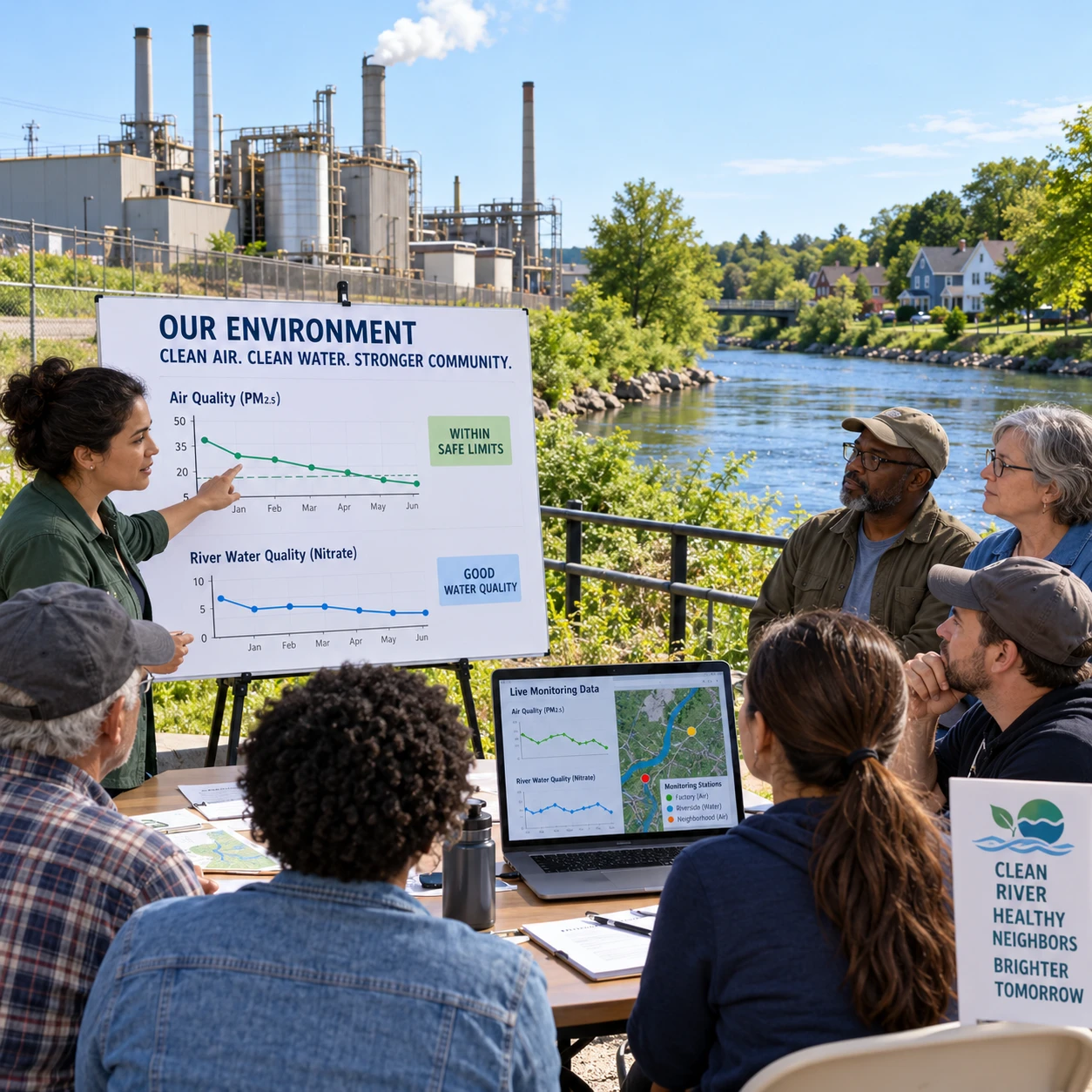
When industrial pollution harms people or ecosystems, corporate accountability asks who caused the harm, who must prevent further damage, and what remedy is fair. Laws set important boundaries, but environmental justice also calls attention to unequal exposure, community voice, and duties that can extend beyond legal compliance.
What corporate accountability means in the context of pollution
Corporate accountability for pollution means that a company must answer for its environmental impacts, prevent avoidable harm, and address damage linked to its operations. It includes both responsibility before pollution occurs and responsibility after people or ecosystems are affected.
That distinction matters. Prevention can involve safer production methods, pollution controls, maintenance, and environmental impact assessment before a project begins or expands. Response may require disclosure, stopping a release, investigating exposure, cleaning contaminated land or water, and providing compensation where the law or circumstances support it.
Accountability is broader than a fine. A company may face regulatory orders, civil claims, permit restrictions, or other consequences, depending on the jurisdiction and facts. Ethical responsibility also asks whether the company used reasonable care, shared relevant information, listened to affected people, and acted promptly when risks became known.
The polluter pays principle captures one important idea: those responsible for pollution should bear appropriate costs of prevention and repair rather than shifting them to the public. How that principle is applied varies. Establishing causation, measuring harm, and deciding who pays can be difficult, especially where contamination has multiple sources or accumulated over many years.
Who bears the burden of pollution?
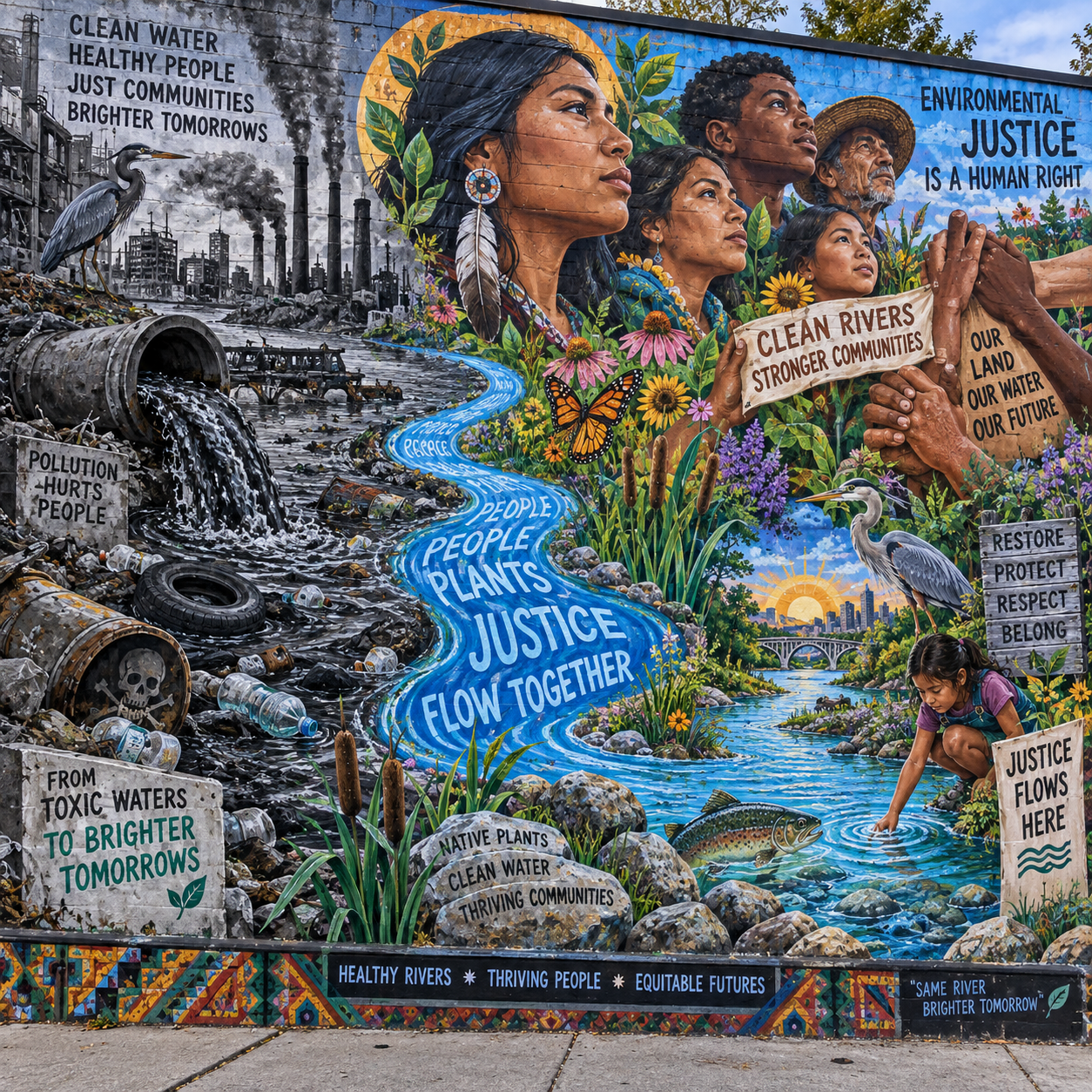
Pollution burdens often fall unevenly, and environmental justice examines how exposure, decision-making power, and access to remedies are distributed. Communities with fewer resources or less political influence may face greater difficulty preventing industrial hazards or securing a timely response.
Proximity to factories, waste sites, ports, mines, or heavily traveled roads can contribute to cumulative exposure. The burden may also include noise, odors, reduced access to clean land or water, and uncertainty about health risks. These conditions can affect community health, but specific impacts depend on the pollutant, exposure level, duration, and individual circumstances. Claims about harm should be supported by credible monitoring and health evidence.
Environmental justice is not only about where pollution occurs. It also concerns whose concerns are taken seriously when permits are issued, whose homes are sampled, and who can afford legal or technical help. A public meeting held after key decisions have been made may satisfy a procedural requirement without giving residents meaningful influence.
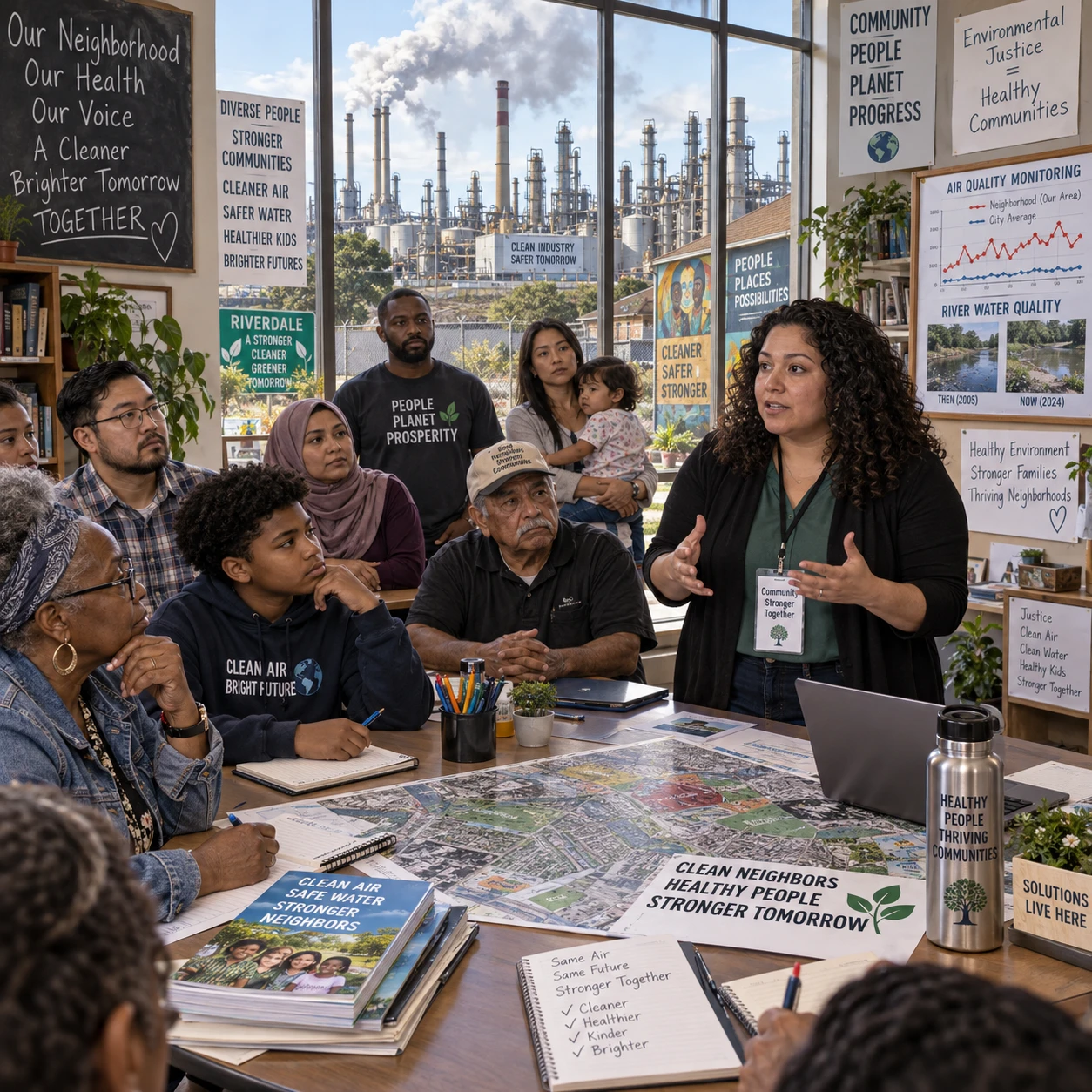
Residents are not passive recipients of harm. Community groups may document odors or visible releases, request public records, participate in hearings, commission independent testing, and work with health professionals or legal advocates. Their observations can reveal patterns that occasional inspections miss. At the same time, community evidence should be paired with careful sampling and transparent methods, because poor data can weaken otherwise valid concerns.
The legal frameworks that can hold companies responsible
Companies may be held responsible through environmental regulation, permits, enforcement actions, or legal claims, but the rules and available remedies differ by jurisdiction. The applicable framework depends on where the pollution occurred, what substance was released, which parties were involved, and what evidence is available.
Environmental regulation commonly sets limits, requires permits, and establishes monitoring or reporting duties. Regulators may inspect facilities, issue corrective orders, impose penalties, or require cleanup under relevant laws. Some systems also use environmental impact assessment to identify likely effects before a project is approved. The quality of an assessment depends on its scope, the information used, and whether affected communities can contribute meaningfully.
Corporate liability can arise through different legal routes. Government enforcement may address violations of permits or standards; civil litigation may seek damages or an injunction; and, in some places, laws impose cleanup duties on responsible parties. Legal responsibility is not automatic: a claimant or regulator may need to establish a violation, connection to the harm, or another required element. Time limits, defenses, proof standards, and access to court vary.
For an overview of U.S. federal environmental statutes and regulatory programs, readers can consult the U.S. Environmental Protection Agency’s laws and regulations resources. That information is specific to the United States; other countries and subnational governments have their own laws and institutions.
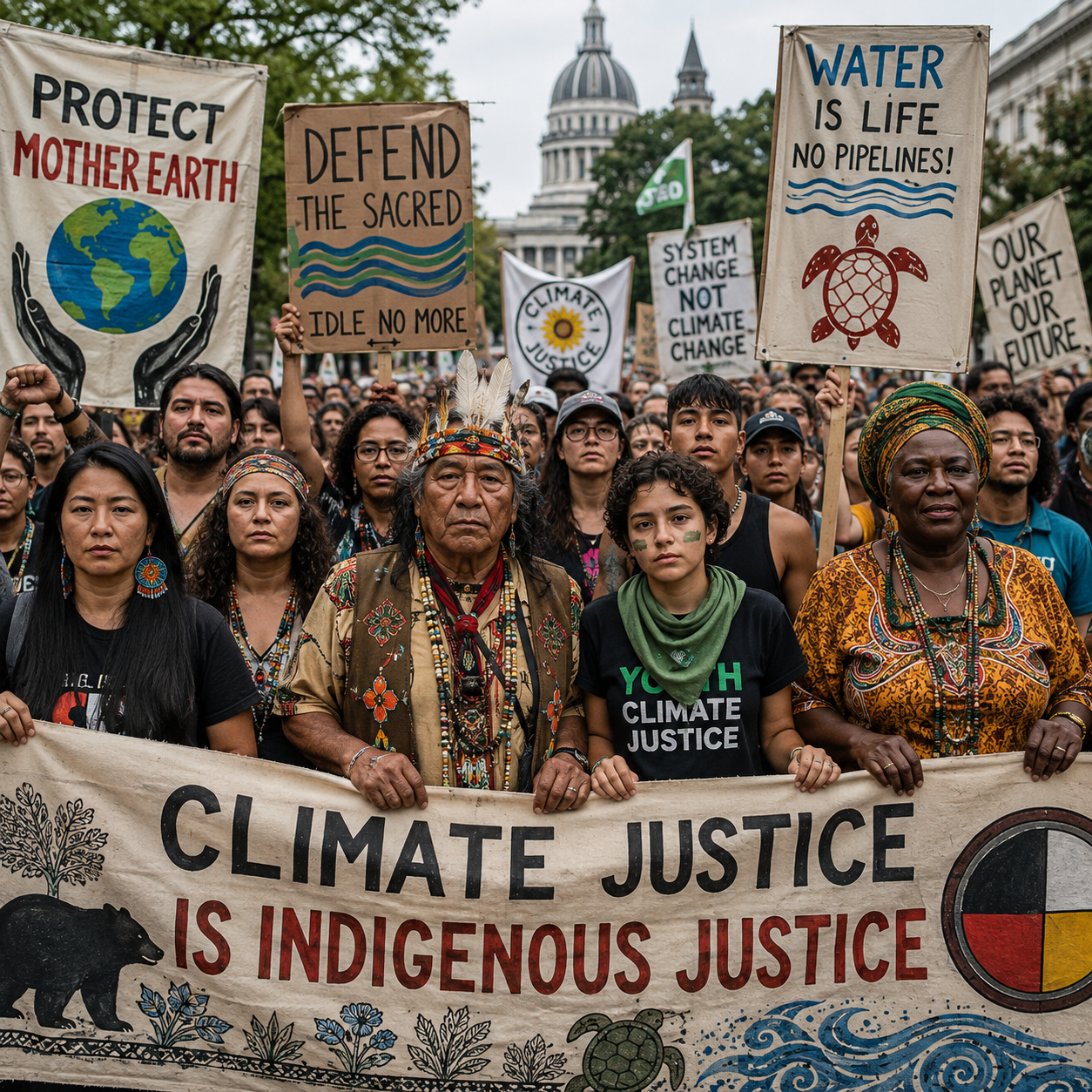
Affected communities can engage through public comments, administrative complaints, local government processes, and litigation where available. These routes can be costly and slow, and community participation does not guarantee a particular outcome. Legal aid, environmental organizations, public-interest researchers, and health agencies may help residents understand options and preserve evidence.
Ethical responsibilities beyond legal compliance
Ethical responsibility can extend beyond legal compliance when a company knows, or should reasonably recognize, that its activities create risks to people or ecosystems. Meeting a permit’s minimum requirements does not by itself settle whether the company acted fairly or took reasonable steps to prevent harm.
A company’s ethical duties can include anticipating foreseeable risks, choosing safer alternatives where practical, maintaining equipment, and responding quickly to warning signs. If monitoring detects a problem, transparency matters: affected residents need timely, understandable information about what was measured, what remains uncertain, and what protective steps are underway.
Community engagement should begin early enough to influence decisions, not only after a project is underway. That means providing accessible information, offering more than one way to participate, and explaining how public input changed—or did not change—the plan. Companies should also avoid placing the burden on residents to prove every risk before taking reasonable precautions.
These duties involve trade-offs. A more protective process can require additional testing, redesign, or delay, while a fast response may reduce immediate exposure but leave long-term questions unanswered. Ethical decision-making should make those choices visible, explain the evidence, and give affected people a real role in discussing acceptable risks.
Accountability in practice: prevention, cleanup, and remedy
Meaningful accountability combines prevention, reliable monitoring, prompt remediation, and remedies suited to the harm. No single measure works in every case: stopping a release is urgent, while restoring a watershed or addressing long-term health concerns may take years.
A practical sequence helps communities and companies distinguish immediate action from long-term repair:
- Prevent and contain: Stop ongoing releases, secure faulty equipment, and take proportionate steps to limit exposure.
- Measure and disclose: Use credible sampling, explain methods and uncertainty, and share results in accessible formats.
- Remediate: Remove, treat, or contain contamination where feasible, and monitor whether the remedy continues to work.
- Provide appropriate remedies: Depending on the law and evidence, options may include compensation, restoration, replacement of damaged resources, or support for affected services.
- Verify and prevent recurrence: Publish progress, invite independent review, and change procedures or equipment that contributed to the pollution.
Remediation and compensation address different needs. Cleanup aims to reduce or remove contamination; compensation may address proven losses but cannot always restore health, cultural ties, or a damaged ecosystem. A compensation payment without pollution control can leave the cause untouched, while cleanup without transparent follow-up may leave residents unsure whether conditions are safe.
Public participation strengthens the process when residents can help set monitoring priorities, review results, and challenge gaps. Independent experts may improve confidence, though testing needs consistent methods and clear responsibility for costs. Accountability is strongest when progress can be checked against public milestones rather than promised in broad terms.
What stronger corporate accountability could look like
Stronger corporate accountability requires rules that prevent pollution, enforcement that is consistent, and remedies shaped by the people and places affected. Fair systems also make it harder to transfer cleanup costs to communities or future generations.
Practical improvements include routine, transparent emissions reporting; inspections based on credible risk; clear consequences for violations; and environmental impact assessment that considers cumulative burdens, not only a project in isolation. Regulators need enough staff and technical capacity to verify company reports. Otherwise, rules may exist on paper while harmful practices go undetected.
Companies can strengthen their own systems by tracking pollution across contractors and supply chains, escalating complaints, and disclosing incidents promptly. Voluntary commitments may help, but they are not substitutes for enforceable standards or independent verification. Communities, in turn, should have accessible channels to report concerns and receive a documented response.
A useful test is whether the process answers three questions: Was harm prevented where reasonably possible? Were affected people informed and heard? Were impacts repaired and future risks reduced? The answers should be grounded in evidence, not reputation management. Legal liability establishes what a court or regulator can require; ethical accountability asks what a company should do when the law leaves a gap.
Frequently asked questions
What does corporate accountability for pollution mean?
It means a company must answer for pollution connected to its activities, take reasonable steps to prevent harm, and meet applicable duties to disclose, clean up, or compensate. The exact legal obligations depend on the jurisdiction and evidence.
Can a company be ethically responsible even if it complied with the law?
Yes. Legal compliance is a minimum standard in many settings, while ethical responsibility may also call for precaution, transparency, and meaningful community engagement when a serious risk is foreseeable.
How does pollution connect to environmental justice?
Environmental justice considers whether pollution and its health, economic, and social burdens fall disproportionately on particular communities, and whether those residents have a fair voice in decisions and access to remedies.
What kinds of remedies may be available to affected communities?
Depending on local law and the facts, remedies may include pollution controls, cleanup, restoration, monitoring, compensation, or changes to operating practices. Communities can seek guidance from regulators, legal advocates, or public-interest organizations about options in their area.